Google AdSense is expanding how vignette ads appear, introducing new user-interaction triggers designed to increase publisher revenue without heavily disrupting the browsing experience.

Google announced the update on February 9, 2026, confirming that AdSense will soon show vignette ads based on more on-page behaviors instead of relying only on page navigation events. The company says the change helps publishers capture additional high-value impressions while keeping existing ad frequency limits intact.
What Is Changing With Vignette Ads
Until now, vignette ads mostly appeared when users moved between pages or switched browser tabs. Google is adding a new Auto Ads control called “Allow additional triggers for vignette ads.” This single toggle will manage both current and upcoming triggers.
Google plans to turn this option on by default for all publishers unless they choose to opt out.
New User Actions That Can Trigger Vignette Ads
With the update enabled, vignette ads can appear when users:
- Reach the end of a page’s main article and pause or scroll back up
- Stay inactive for 30 seconds and then interact again
- Use the browser’s back button on supported browsers like Chrome, Edge, and Opera
These triggers focus on moments when users pause, re-engage, or finish reading—points Google considers high-value for ad visibility.
Existing Triggers Will Remain Active
Google is not removing current triggers. Vignette ads will still appear when users:
- Return to a background tab or window
- Maximize or unhide a browser window
- Open a link in a new tab and switch to it
Keeping the new control enabled ensures all available vignette opportunities remain active.
One-Month Review Period for Publishers
Google is giving publishers time to evaluate the change before it affects live traffic.
- The new setting appears as enabled starting February 9, 2026
- Ad behavior stays unchanged for one month
- Automatic activation begins on March 9, 2026, if no action is taken
Google says this window allows site owners to review the impact before rollout.
Frequency Caps and User Experience
Google confirmed that existing frequency caps still apply. Vignette ads will respect minimum time gaps between impressions, preventing excessive overlays during a single session.
The company positions this update as a revenue optimization rather than an aggressive ad expansion.
How Publishers Can Opt Out Additional Triggers for Vignette Ads
Publishers who prefer not to use the new triggers can disable them manually:
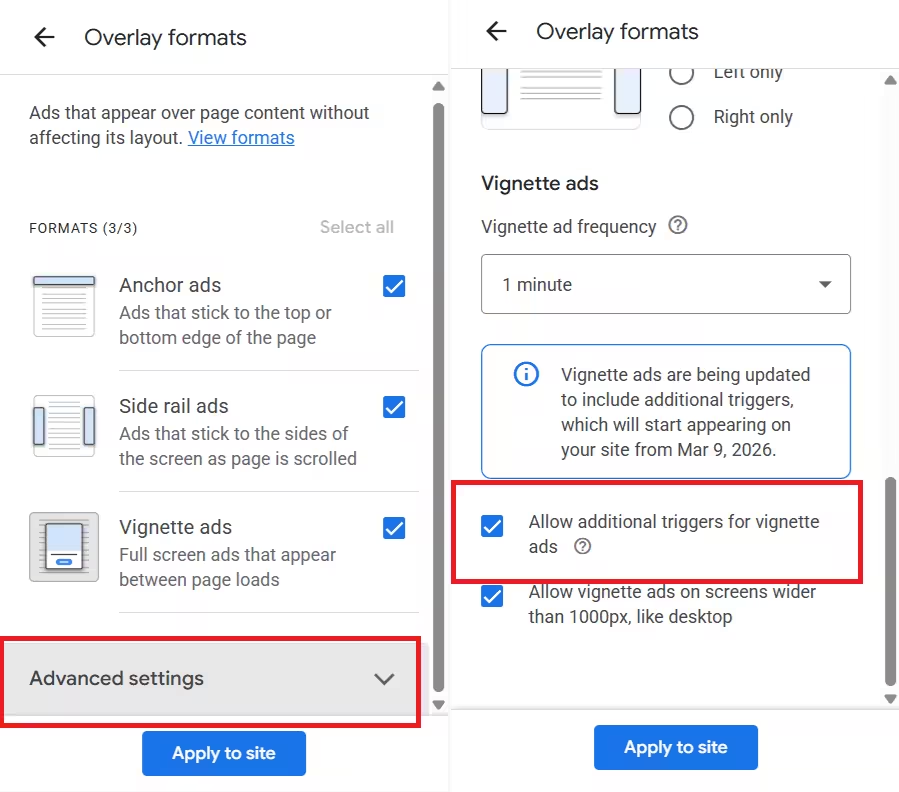
- Sign in to AdSense
- Open Ads → select the site
- Go to Overlay formats
- Open Advanced settings
- Uncheck Allow additional triggers for vignette ads
- Apply changes to the site
Disabling this option also turns off some existing triggers, so publishers should review carefully before opting out.
This change signals Google’s push toward interaction-based ad delivery instead of simple page-load logic. For publishers, the update could increase RPM without adding new ad units. For users, ads may appear at more natural pause points rather than mid-scroll.

