During a typical Denver winter, temperatures can drop sharply overnight, leaving homeowners to wake up to frozen or even burst pipes. This scenario often leads to water damage and the urgent need for costly emergency repairs. Frozen pipes become a household crisis not just because of the inconvenience, but because a water leak in below-zero weather can quickly spiral into extensive property damage. The good news is that proactive measures can reduce the risk of frozen pipes, saving you from that stressful call to an emergency Plumber in Denver.
Understanding how Denver’s winter conditions affect your home’s plumbing system is the first step. Armed with the right knowledge and tools, you can protect your pipes before the worst of winter hits, preserving both your peace of mind and your wallet. Prevention is far less expensive and disruptive than emergency repairs, and a few targeted steps can make all the difference.
Denver Winter Climate Realities And Vulnerable Home Plumbing
Denver’s winter climate is marked by sudden cold snaps and prolonged subzero temperatures, making any exposed water pipes highly vulnerable to freezing. Many older homes in the city have water lines running through uninsulated crawl spaces, basements, or exterior walls. When temperatures plummet, these pipes can freeze solid, blocking water flow and creating pressure that may eventually lead to a rupture.
Homes with outdoor hose bibs, irrigation systems, or plumbing in garages are especially at risk. The lack of insulation in these areas means even a single frigid night can turn a trickle into a frozen blockage. According to frozen pipe risk factors in cold climates, knowing which parts of your plumbing are exposed to outdoor air is essential for targeted protection.
Pipe material also plays a role. Copper and galvanized steel pipes, common in many Denver homes, are less flexible than newer plastic alternatives. When water inside them freezes and expands, these rigid pipes are more likely to split or burst, adding urgency to preventive efforts before the coldest months arrive.
Financial Impact Of Burst Pipes And Emergency Repair Services
A burst pipe during a Denver cold snap is more than an inconvenience—it can trigger extensive financial consequences. Water damage often spreads quickly through floors, walls, and belongings, leading to costly restoration work. Emergency repair services typically charge a premium for after-hours calls, especially during winter storms when demand spikes.
Besides direct repair costs, homeowners may face expenses related to water extraction, drywall replacement, and even temporary relocation if damage is severe. Insurance policies sometimes limit coverage for water damage caused by frozen pipes, especially if the homeowner did not take reasonable preventive steps outlined in home insurance water damage guidelines.
Calling a Plumber in Denver to handle a burst pipe often means paying for both immediate repairs and subsequent restoration. Many local residents discover that investing in prevention measures is far more budget-friendly than dealing with the aftermath of water damage and emergency plumbing fees.
Practical Prevention Techniques For Subzero Temperatures
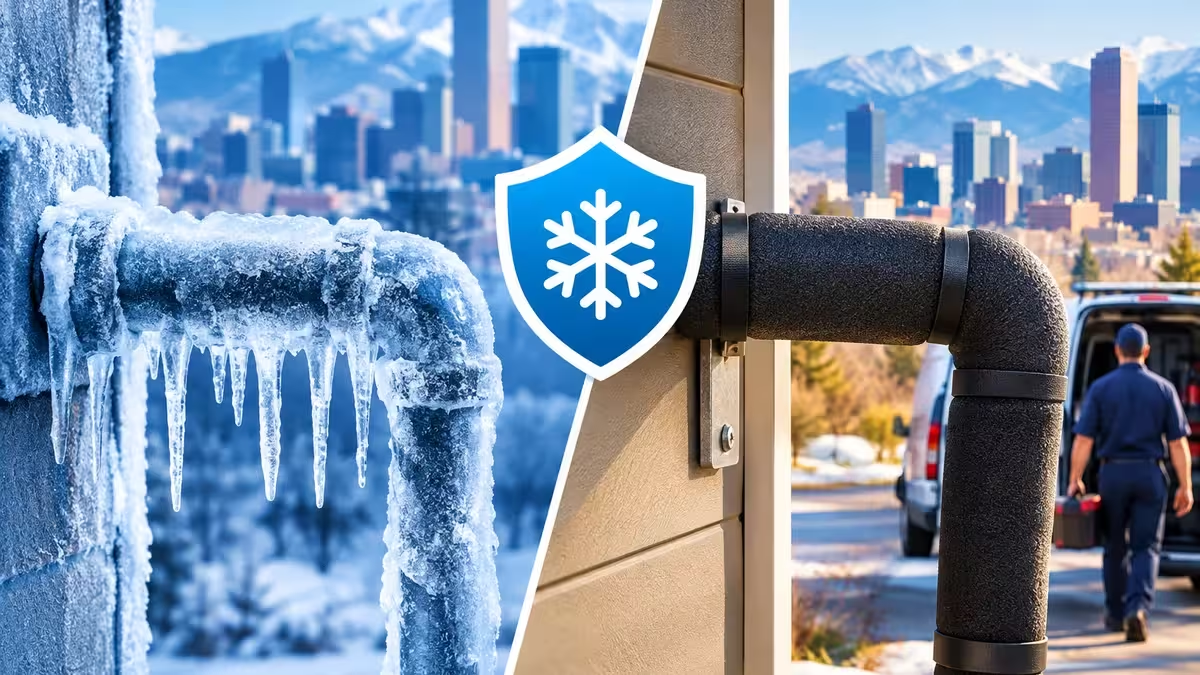
Simple, practical steps can dramatically lower the risk of frozen pipes. Pipe insulation sleeves are an affordable solution for exposed plumbing in attics, basements, and crawl spaces. Heat tape, a specialized electrical cord that wraps around pipes, can provide added protection during deep freezes. For outdoor faucets, installing frost-proof hose bibs or using insulated covers keeps cold air at bay.
During extreme cold, keeping cabinet doors beneath sinks open allows warm air to circulate around indoor pipes, especially those along exterior walls. Letting a small trickle of water run from faucets overnight can also prevent water from freezing in the line. Draining outdoor irrigation systems before the first freeze is another step that many homeowners overlook but makes a significant difference.
All these techniques are most effective when applied before winter sets in. Consistently inspecting vulnerable pipes and making these adjustments can keep your plumbing safe and help you avoid the disruption and expense of hiring an emergency Plumber in Denver during a winter emergency.
Choosing Reliable Local Plumbing Professionals Before Crisis Strikes
Establishing a relationship with a reputable local plumber before trouble arises means you have a trusted contact if preventive efforts fall short. Look for contractors with specific experience in winterizing Denver homes, as they will understand the unique risks posed by the regional climate and construction styles.
Ask prospective plumbers about their approach to pipe insulation, emergency protocols, and maintenance packages. Many offer seasonal inspections that identify vulnerable areas and recommend tailored solutions. Checking for proper licensing and insurance ensures that any work performed meets local codes and protects your property.
Planning ahead with a reliable professional means you are not scrambling to find help during a plumbing emergency. Instead, you have access to advice and services that reduce your risk of frozen pipes and the associated need for urgent, expensive repairs.
Conclusion
Proactively insulating your pipes and consulting with local plumbing experts before winter arrives is the most effective way to avoid the stress and expense of burst pipes. Scheduling a home plumbing inspection in the fall allows you to address vulnerabilities on your terms—long before a cold snap turns a preventable issue into a crisis.
