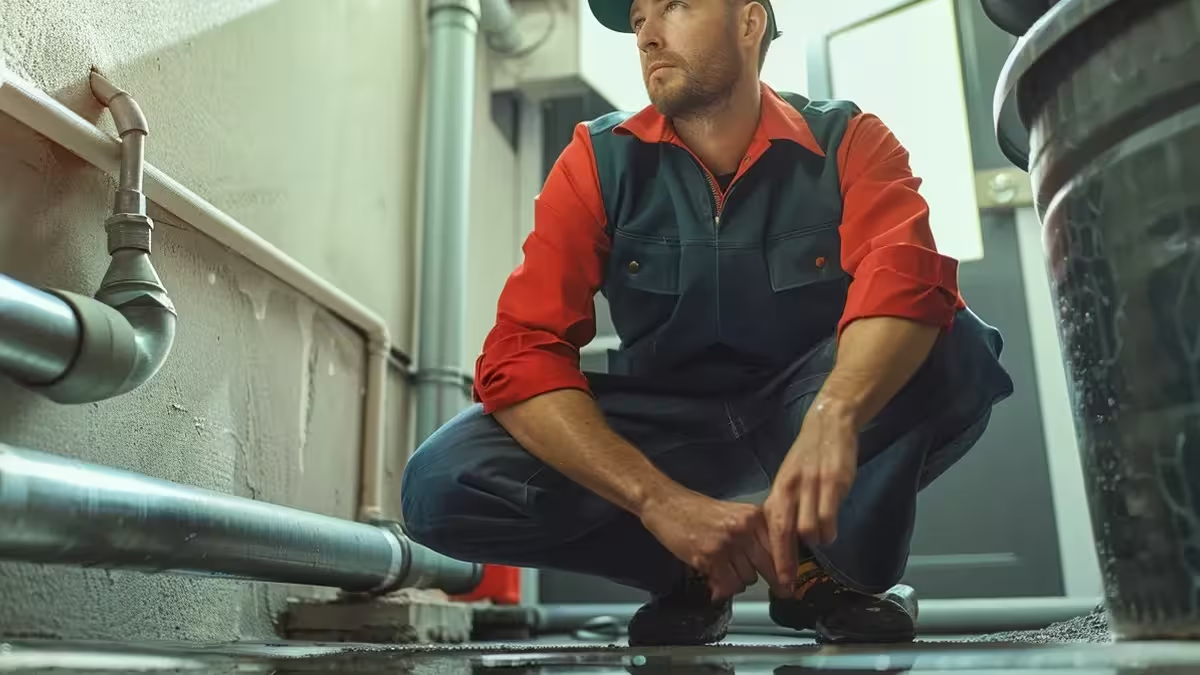
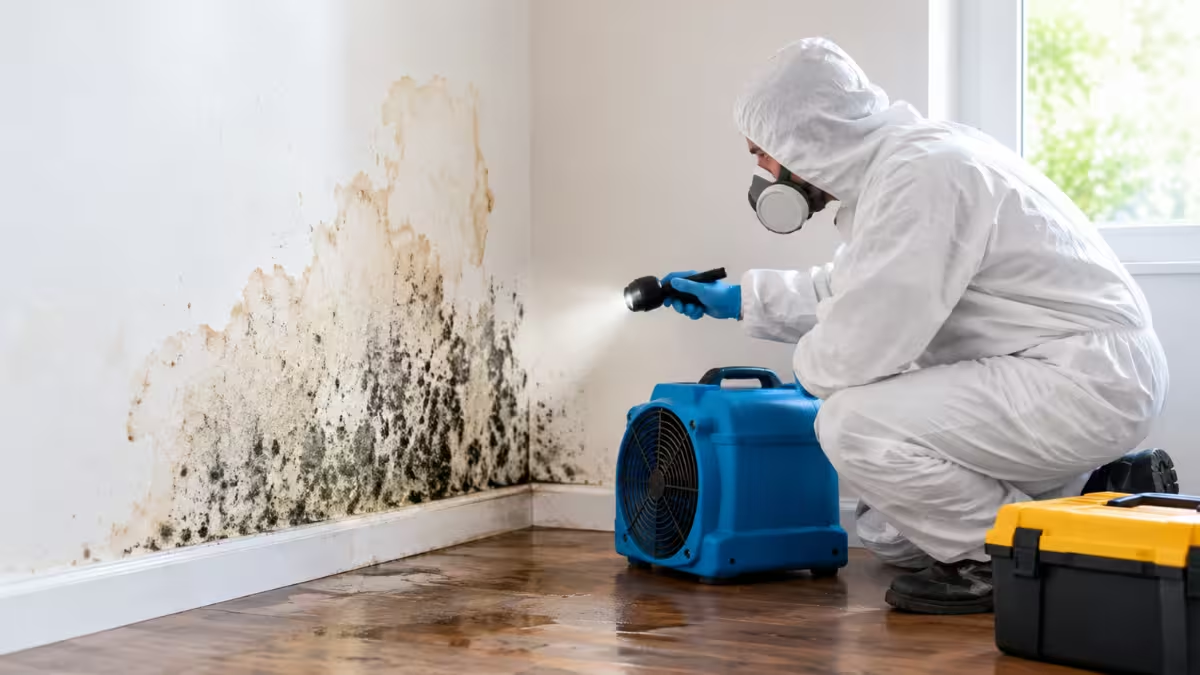
Water finds the weakest spot in your house fast. A split supply line behind the vanity, a toilet that keeps rising, or a stain spreading across the ceiling can wreck drywall and flooring within an hour. Your emergency plumber in Houston needs time to reach you, and what you do during that gap decides whether you face a simple repair or a full restoration job.
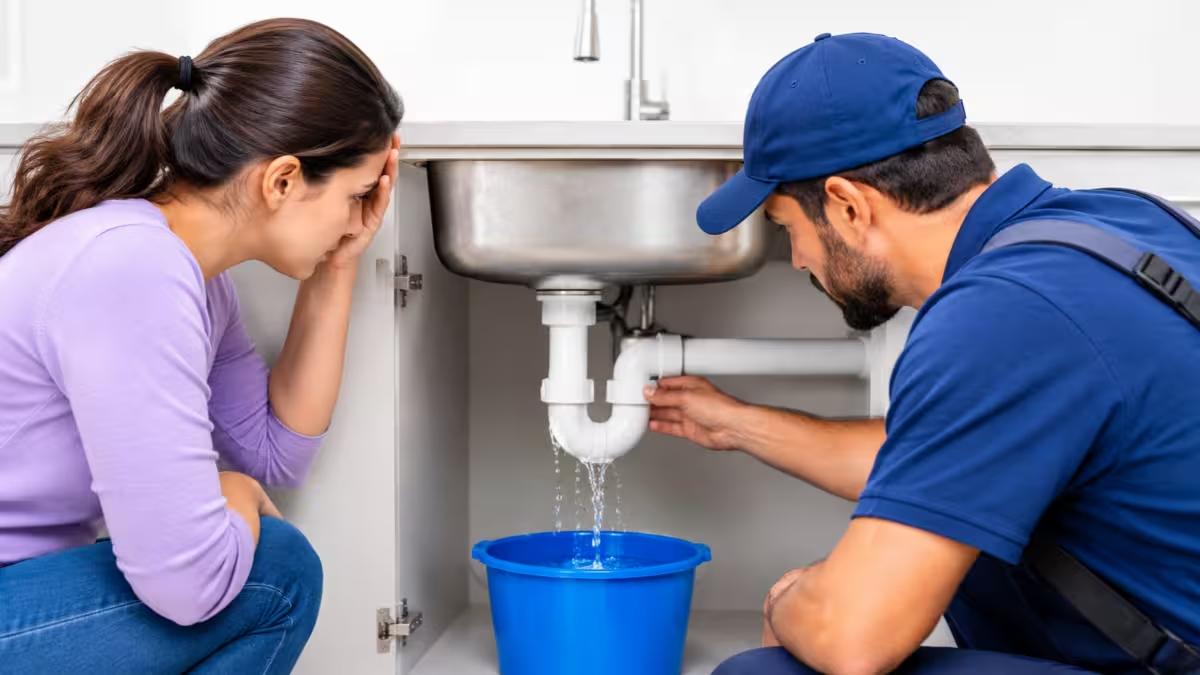
This guide walks you through the exact moves that limit damage, keep your family safe, and help the plumber fix the problem faster once the truck pulls in.
Is It a Plumbing Emergency or Can It Wait Until Morning?
Not every plumbing problem needs a midnight call. The clock does not make something urgent. The risk does.
Call an emergency plumber for urgent repairs right away when:
- Water sprays or pours from a pipe, wall, or ceiling
- Sewage comes up through a tub, shower, or floor drain
- You cannot stop the water, even after closing valves
- Water spreads toward outlets, appliances, or your breaker panel
- Your water heater tank leaks from its body
- The whole house loses water pressure with no clear reason
A dripping faucet, one slow sink, or a single clogged toilet with a working bathroom nearby can usually wait until morning. Stop using the problem fixture and book a visit with a regular plumber. You will save the after-hours premium.
How to Shut Off Water in a Houston Slab Home
Stopping the flow comes before everything else. You have two options, and the right one depends on where the water comes from.
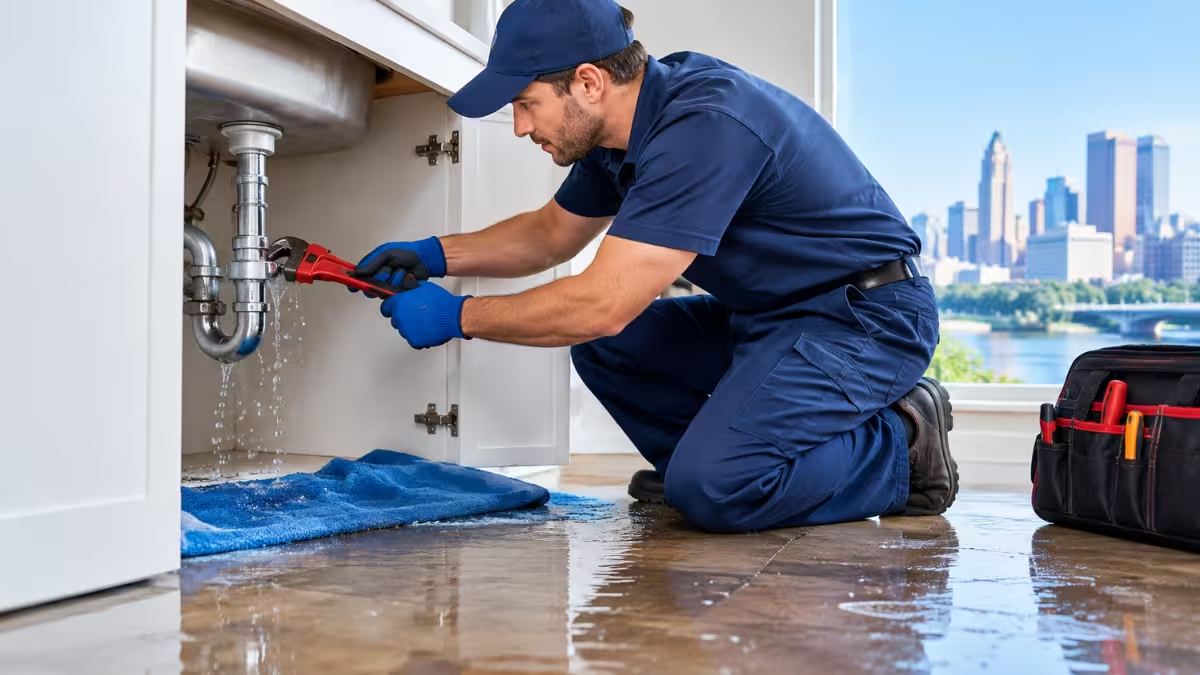
Fixture valve. Sinks and toilets have a small oval or round valve on the supply line, either under the sink or on the wall behind the toilet. Turn it clockwise until it stops. This isolates the problem and keeps water running everywhere else.
Main valve. Use this for burst pipes, leaks inside walls, or any case where water keeps spreading. Most Houston homes sit on slab foundations, so you will not find a basement shutoff. Check these spots:
- Near the point where the water line enters the house, often on an exterior wall
- In the garage or a utility closet
- At the water meter box near the street
A round wheel handle needs several clockwise turns. A lever handle needs a quarter turn until it sits crosswise to the pipe. Some meter boxes require a meter key or valve wrench, so keep one in a drawer you can reach in seconds.
Once the main is off, open a faucet at the lowest point of the house. That drains the pressure left in the lines and slows any leak still dripping.
What to Do When the Main Valve Will Not Turn
Old valves seize after years without use. Do not force a stuck handle with a wrench until it snaps, because a broken valve turns a leak into a flood. Try the meter box shutoff if you have not yet, then call the plumber and say the main valve will not close. The technician can shut the water at the meter with the right key.
Houston Water Line Leak Outside the House: Who to Call
Water bubbling up in the yard or along the street needs a different call. The line on the street side of your meter belongs to the city, so report that leak to Houston 311. The line from the meter to your house belongs to you, so a plumber handles that part. Close your side of the meter if you can, and tell the dispatcher which side you think the leak sits on.
Burst Pipe: Steps to Take in the First Few Minutes
A burst pipe can release gallons in minutes, so move in this order.
- Close the main valve.
- Open a low faucet to drain the pressure left in the lines.
- Turn off the water heater so the tank does not run dry.
- Check ceilings and walls for hidden pooling, since water travels well past the break.
- Place buckets under drips and move belongings out of the wet zone.
Freezing weather, corroded lines, and high pressure cause most breaks. The plumber can find the real cause and stop a repeat.
Overflowing Toilet: Stop the Water Before It Spreads
Reach the wall valve behind the toilet and turn it clockwise. If the valve fails, lift the tank lid and press the flapper down to block more water from entering. Do not flush again to test it. Plunge with a flange plunger using firm, steady strokes. If the water does not drain after a few rounds, or other drains gurgle, the clog sits deeper in the line and needs a plumber.
When Water Reaches Outlets or the Breaker Panel
Water and electricity do not mix. If water touches outlets, appliances, or the panel, check your footing before you touch anything.
- Stay out of standing water near electrical equipment.
- Flip the breaker for the affected area only if you can reach the panel on dry ground.
- Leave the house and call the plumber and the electric utility if the panel itself is wet.
Your safety outranks your belongings every time.
What to Do If Your Water Heater Is Leaking
Turn off the water heater whenever you close the main valve or the heater itself is the source of the leak. A tank that runs without water can overheat and damage the unit.
- Electric heater: Switch off its breaker.
- Gas heater: Turn the gas control to off or pilot, then close the cold water valve above the tank.
Keep your distance from hot water pooling on the floor. If the tank body leaks, no tape or clamp will fix it. That unit needs a repair or replacement from a licensed plumber.
How to Limit Water Damage Before Help Arrives
With the water off and the power safe, mitigate water damage by limiting the spread.
- Lay towels along the base of walls and doorways
- Set buckets under active drips
- Pull rugs, boxes, and furniture out of the wet zone
- Lift electronics and paper documents off the floor
- Run a wet vacuum if you own one
- Aim fans at wet drywall and floors, and open windows when the air outside is not heavier than the air inside
Houston humidity speeds up mold. Damp drywall and subfloor can grow it within a day or two, so every towel you soak up helps.
If water pools in a bulging ceiling, place a bucket below it. Poke a small hole only when the sag looks about to give way, because a controlled release hurts less than a ceiling collapse. Stay clear of the area beneath.
Plumbing Emergency Quick-Reference Table
| Problem | Do first | Skip |
|---|---|---|
| Burst pipe | Close the main valve, open a low faucet | Wrapping it with tape and walking away |
| Overflowing toilet | Close the wall valve, lift the tank lid and press the flapper down | Flushing again to test it |
| Leaking water heater | Cut power or gas, close the cold supply | Touching the tank or standing in the puddle |
| Sewage backup | Stop using every drain in the house | Pouring chemical cleaner down the line |
| Water near electrical | Cut the breaker only from dry ground | Wading toward the panel |
Sewage Backup in Your House: What to Do Right Now
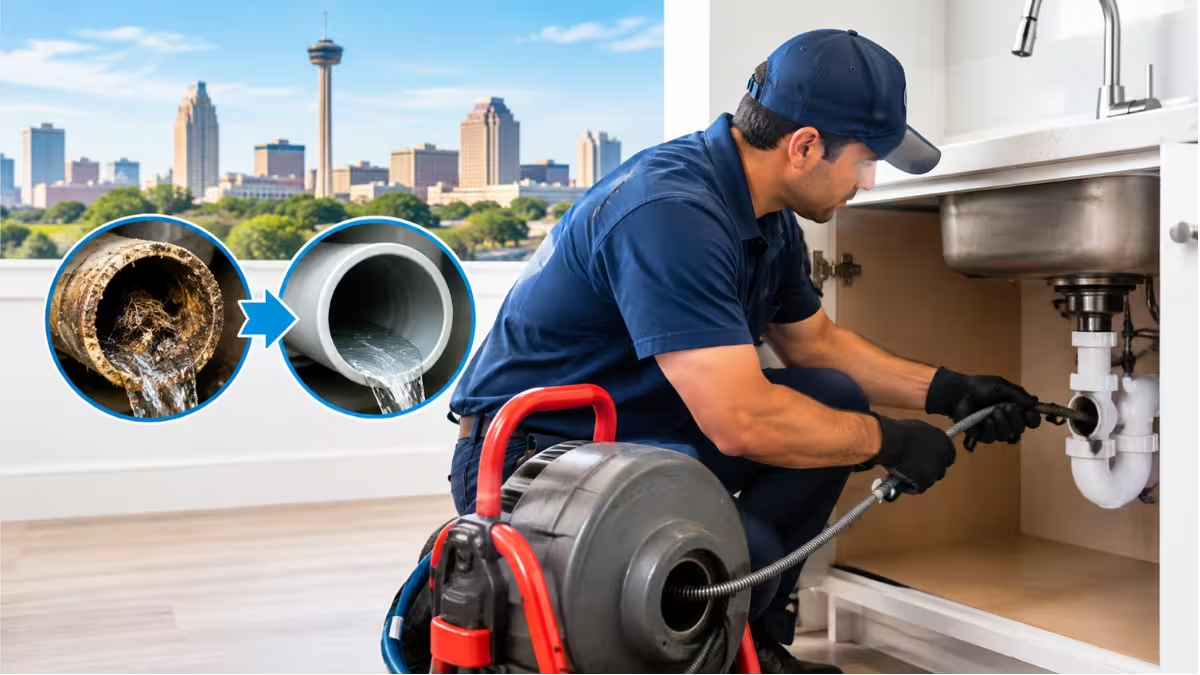
A sewer backup carries bacteria, so treat it as a health issue. Every drain in your house connects to the same line. When one fixture backs up, running a sink or flushing a toilet sends more wastewater toward the blockage and often out of the lowest opening.
- Stop all water use, including the washing machine and dishwasher
- Keep kids and pets out of the area
- Wear rubber gloves and rubber-soled shoes if you must enter
- Avoid chemical drain cleaners, which rarely clear a main line clog and can burn skin during later work
Tell the plumber how many fixtures back up. Several fixtures at once points to the main line, not a single trap.
Gas Smell During a Plumbing Emergency: Leave First
A rotten egg smell or a hissing sound near a gas line or heater changes the whole situation. Do not stay to shut off valves and do not hunt for the leak.
- Walk everyone out of the house and leave the doors as they are.
- Skip light switches, garage door openers, and any device that could spark.
- Call your gas utility and 911 from outside or from a neighbor's home.
- Stay out until the utility clears the house.
Only a licensed plumber with gas certification should repair a gas line, and only after the utility declares the scene safe.
What Not to Do While You Wait for the Plumber
Panic leads to quick fixes that cost more later. Avoid these moves:
- Wrapping a burst pipe with tape or epoxy while it still holds pressure. The patch fails and gives you false confidence.
- Plunging a toilet repeatedly when the clog sits deep in the line
- Cutting into walls or pipes to find a leak
- Working on electrical items while you stand in water
- Throwing away the broken fitting before the plumber sees it, since the failed part often explains the cause
A clamp or repair tape can slow a small leak on an accessible pipe once the water is off. Treat it as a short delay, never a repair.
How to Document Water Damage for Insurance
Take photos and short videos before you clean up. Capture the source of the water, standing water, wet ceilings, damaged furniture, and flooring. Jot down the time you found the problem and what you noticed first.
Call your insurer's claim line the same day if damage looks serious, and ask for a claim number. Many policies expect you to stop the water and protect the property, so keep receipts for towels, fan rentals, and the plumber's visit.
How to Get Your Home Ready for the Plumber
A clear path saves billable time.
- Move vehicles so the truck can park near the entrance
- Clear the route to the valve, water heater, and problem area
- Secure pets in a closed room
- Unlock gates and leave exterior lights on at night
- Keep the broken part and any damaged fittings in a bag or bucket
What to Tell the Emergency Plumber on the Phone
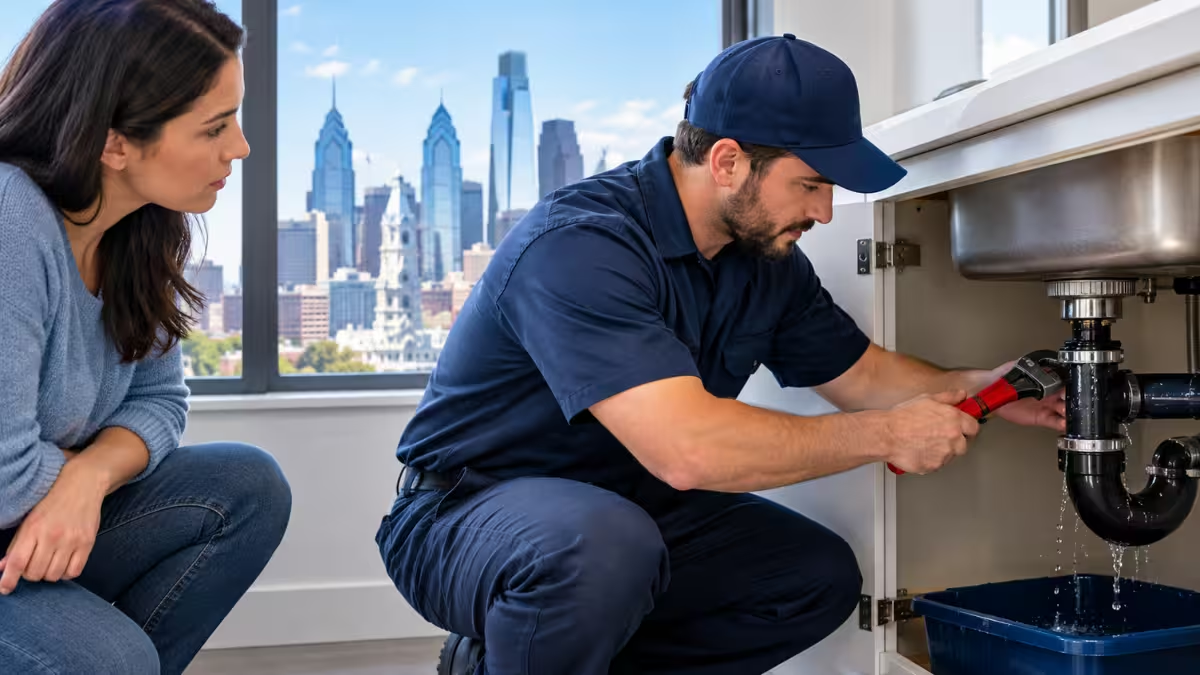
Give the person on the phone clear details so the technician brings the right parts.
- Where the problem sits and which fixture started it
- When it began and whether water still flows
- Whether you shut off the main and whether it worked
- Whether sewage, gas smell, or electrical contact is involved
- Roughly how old the home and pipes are, and whether the pipes are copper, PEX, galvanized, or PVC
- Any recent plumbing work, new appliances, or heavy rain
Ask for an arrival window and a price range for the visit before the truck leaves the shop.
Emergency Plumbing Kit Every Houston Home Should Keep
Gather these items in a tote or bucket and keep it in a closet everyone can reach:
- Flashlight or headlamp with spare batteries
- Adjustable wrench and a meter key if your box needs one
- Old towels and rags
- Two buckets
- Rubber gloves
- Cup plunger and flange plunger
- Plumber's tape and a pipe repair clamp
- Phone power bank
- A card listing the main valve location, your water heater shutoff, your electrical panel, your gas utility number, your plumber's number, and your insurance policy number
Check the kit every six months and swap the batteries.
Why Houston Pipes Fail and How to Prevent It
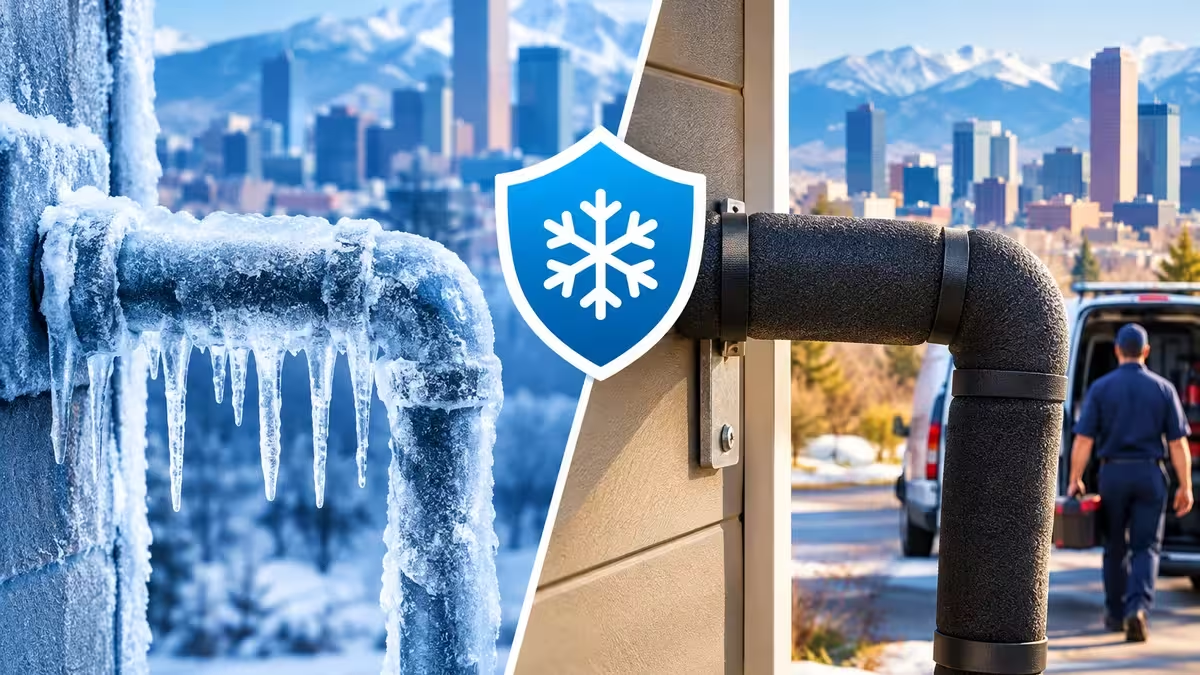
Houston homes face a few local stress points. Expansive clay soil shifts through dry spells and heavy rain, which strains lines under the slab. Hard water scales the inside of pipes. A rare hard freeze can split exposed lines in attics, garages, and outside walls because many homes lack insulation there.
Take these steps now:
- Test your main valve twice a year so it does not seize
- Prevent frozen pipes by insulating exposed lines and covering outdoor hose bibs before a freeze
- Drip a faucet on the coldest nights
- Check your water pressure. Readings above 80 psi stress pipes and fixtures.
- Watch your water bill and meter for unexplained jumps, which often signal a hidden leak
- Keep grease, wipes, and food scraps out of drains
- Book a yearly inspection for older homes with galvanized or aging copper lines
Frequently Asked Questions
What should I do first in a plumbing emergency?
Close the water. Use the fixture valve for a single sink or toilet, and use the main valve for a burst pipe or any leak you cannot isolate. Then open a low faucet to drain the remaining pressure.
Where is the main water shutoff in a Houston home?
Most Houston houses sit on slabs, so the main valve usually sits near an exterior wall where the line enters the house, in the garage or a utility closet, or at the water meter box by the street. Find it before an emergency and test that it turns.
Should I turn off the electricity during a leak?
Turn off the breaker only when water reaches outlets, appliances, or wiring and you can reach the panel without standing in water. If the panel is wet or the floor around it is flooded, leave the house and call for help.
Can I fix a burst pipe with tape until the plumber arrives?
Tape and clamps only slow a small leak once the water is off. They do not hold under pressure, and a failed patch gives you a false sense of safety. Shut off the water and let a licensed plumber repair the pipe.
What do I do if sewage backs up into my house?
Stop using every drain and toilet, keep kids and pets away, wear gloves, and call a plumber. Skip chemical cleaners. A backup across several fixtures usually means a blockage in the main line.
What if I smell gas?
Leave the house immediately and skip every switch and device that could spark. Call your gas utility and 911 from a safe distance. Do not return until the utility clears the home.
Does homeowners insurance cover plumbing emergencies?
Coverage depends on your policy and the cause of the damage, so call your insurer and ask. Photos, videos, and receipts speed up the claim, and most policies expect you to take reasonable steps to stop further damage.
How can I tell if I need an emergency visit or a regular appointment?
Ask whether water or sewage is actively damaging your home, whether you can stop it, and whether waiting a few hours will make it worse. If you can isolate the problem and the rest of the house works, schedule a normal visit.
Related Guides
- How Preventing Frozen Pipes Saves You From Calling an Emergency Plumber in Denver
- How Quick Service from an Emergency Plumber in Columbus Can Mitigate Water Damage
- Why Homeowners in Philadelphia Choose An Emergency Plumber for Urgent Repairs
- Emergency Plumber Near Me vs Regular Plumber Near Me: Which One To Choose For Urgent Repairs?