Connecting personal devices to complimentary internet in a hotel lobby might seem harmless, but the reality of hotel wi-fi security is more complex than it appears. Many travelers do not consider the risks involved once that "connected" icon flashes on their screen. Understanding how exposed sensitive information becomes on these networks can make all the difference in protecting digital privacy while away from home. This article examines just how secure these connections are, the limitations of password protection, and what an IP address can reveal about online activity.

Common Threats on Hotel Wireless Networks
Guests staying at hotels usually expect seamless and speedy internet access. Unfortunately, connecting to a public network often means sacrificing robust protections against various cyber risks. Individuals with minimal technical expertise might intercept unencrypted data shared over these networks, making digital threats far more common than imagined.
Devices connected to the same Wi-Fi in a hotel environment are rarely isolated from one another. This lack of isolation paves the way for attacks targeting private data or undermining overall security. Checking emails or banking online could expose sensitive information to prying eyes if proper precautions are not observed.
Weak Passwords and Unsecured Networks: A Major Vulnerability
It is not uncommon for some hotels to operate open wireless networks without any password requirement. Others may rely on generic codes such as "123456," which provide little to no defense against hackers. These weak passwords and unsecured setups represent a central flaw in hotel wi-fi security, leaving doors wide open for unauthorized users to join and monitor traffic.
Without a secure wireless network configuration, every session on the network becomes vulnerable. Inadequate authentication allows malicious actors to observe web activity and execute attacks with minimal resistance, endangering the privacy of all users present.
Exploiting Real-World Risks in Hotel Environments
The steady flow of new, sometimes unwary guests makes hotels attractive targets for those seeking to exploit real-world risks. Attackers have been known to set up rogue hotspots using names similar to legitimate hotel networks, tricking individuals into connecting. Once connected, these impostor networks collect credentials and financial details, often without victims ever noticing.
These environments are ideal for tools designed to capture passwords, emails, and other vital data moving across the network. A lack of awareness about cyber risks means many only discover a problem after falling victim to an attack.
What Does an IP Address Reveal on Hotel Wi-Fi?
Every device joining a public hotel network receives an IP address. While essential for routing internet requests, this identifier also introduces vulnerabilities. On unsecured networks, it is possible for third parties to monitor browsing habits, track visited sites, and even deduce geolocation, all by observing the assigned IP address. To see what your IP might reveal, you can use an IP address lookup tool.
Although most contemporary websites employ SSL/security protocol to encrypt traffic, not every online service takes this precaution. Certain types of communications, including travel details and login information, may still be sent unencrypted. If intercepted, this sensitive information could be exploited by anyone with malicious intent and sufficient skills.
Effective Strategies for Boosting Hotel Wi-Fi Security
Staying vigilant does not require advanced technical knowledge. Simple routines can drastically improve safety. One of the first steps should always be confirming the exact network name before connecting, thereby avoiding imitation networks crafted by attackers. For more guidance, consider these tips for using public Wi-Fi networks.
Further steps include:
- Activating firewall configuration on every device to block unwanted incoming traffic.
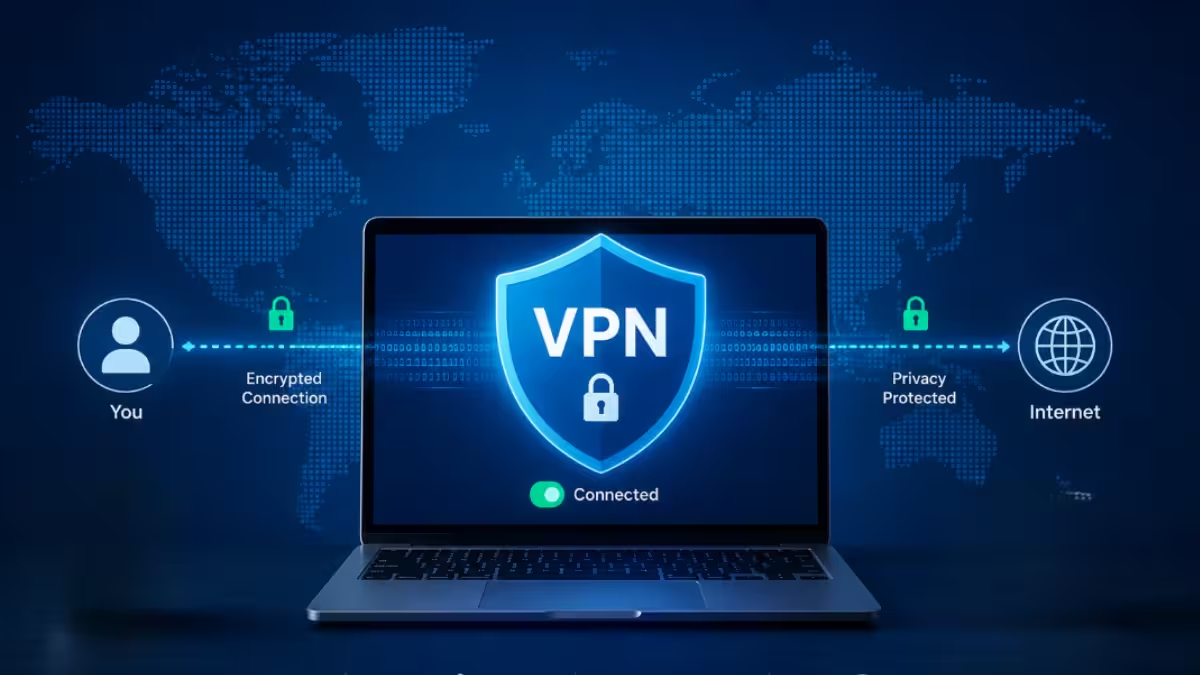
- Making VPN usage a habit, ensuring that data remains encrypted regardless of the network's inherent security.
- Maintaining strong, unique passwords for all accounts and considering changes after exposure to unfamiliar networks.
- Accessing only those websites protected by trustworthy SSL/security protocol whenever possible.
Another critical practice involves keeping operating systems and applications updated. Outdated software is often missing recent protections against emerging threats, so regular updates add another layer of defense. When faced with an especially risky connection, switching to mobile data for tasks involving sensitive information is a safer alternative.
Steps That Lead to Safer Hotel Wi-Fi Experiences
Mastering hotel wi-fi security comes down to a blend of skepticism and proactive measures. Familiarity with common pitfalls equips travelers to avoid becoming victims of real-world risks found throughout bustling lobbies and quiet hallways alike. Treating each public connection as potentially unsafe encourages better habits and safeguards digital well-being.
Whether on a business trip or a leisurely getaway, applying these straightforward methods prevents digital mishaps from overshadowing memorable moments. Viewing hotel Wi-Fi as both a convenient amenity and a potential source of vulnerability benefits anyone prioritizing online security during travel.