Governments are racing to keep children off social media. Australia set the pace with an under-16 ban that took effect in December 2025. Greece followed in October 2026 with a law that blocks anyone under 15 from social networks starting January 1, 2027. Other European countries, including Denmark and Austria, have announced similar plans, and the EU is drafting its own Kids Act.
Every new ban brings the same question: can a teenager simply switch on a VPN and carry on scrolling? The short answer is that a VPN helps far less than most people think, and using one to dodge an age check carries risks that outweigh the reward.
What Does a VPN Change When You Go Online?
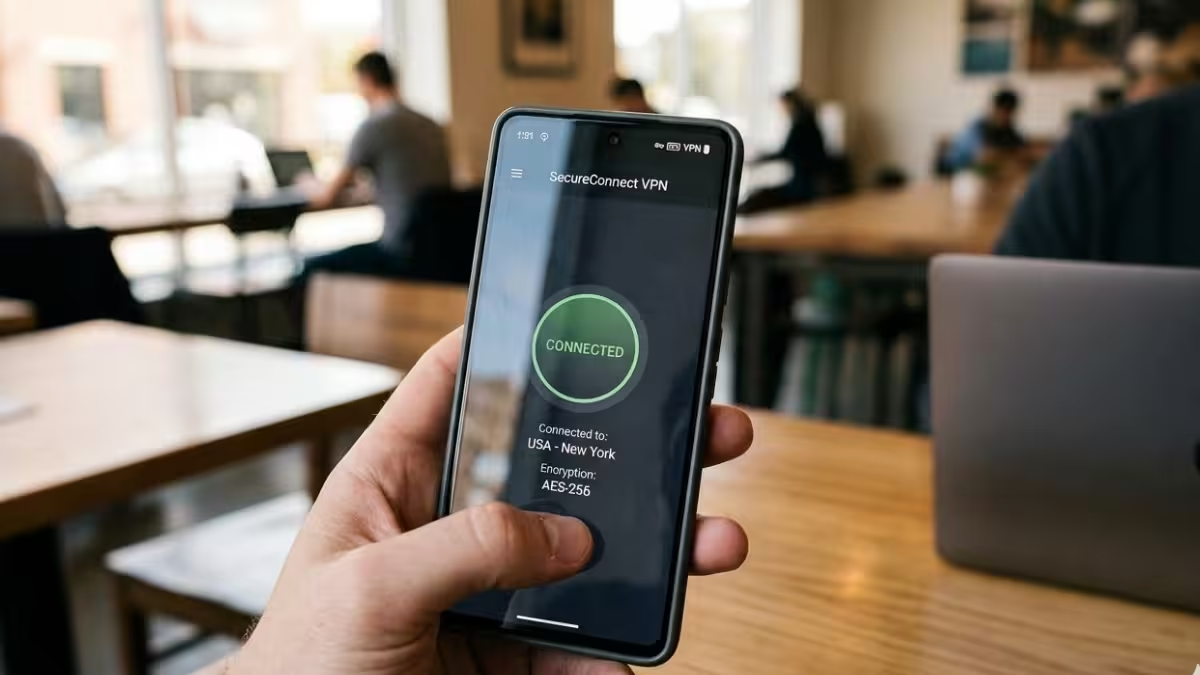
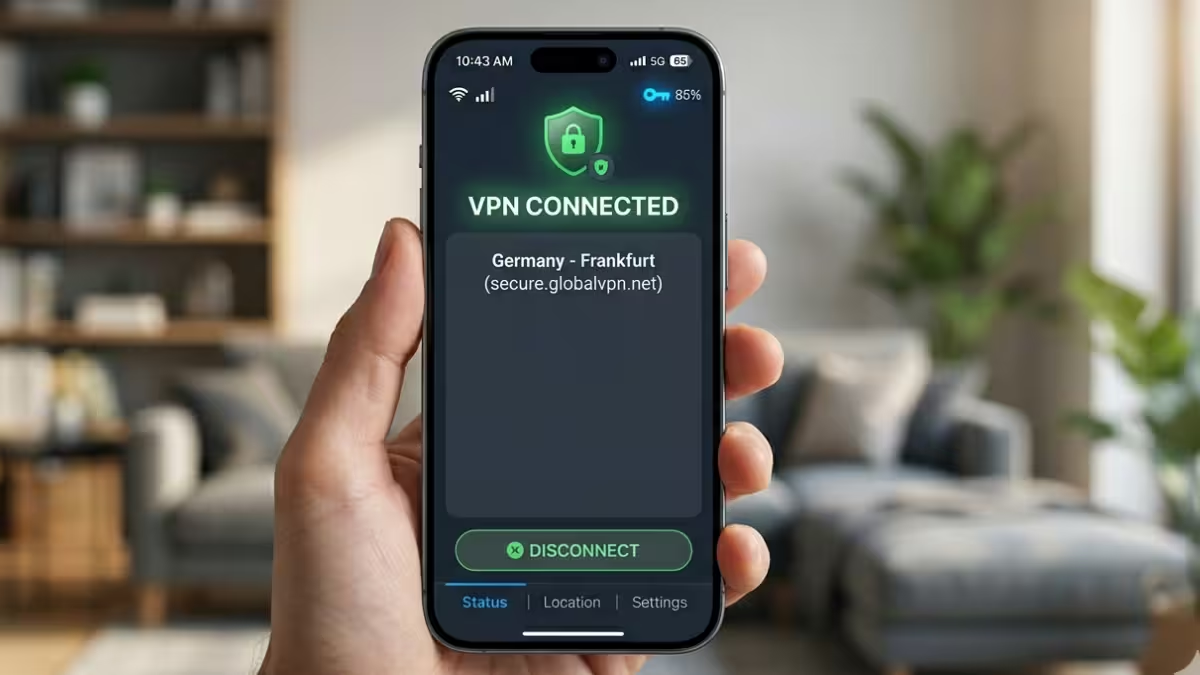
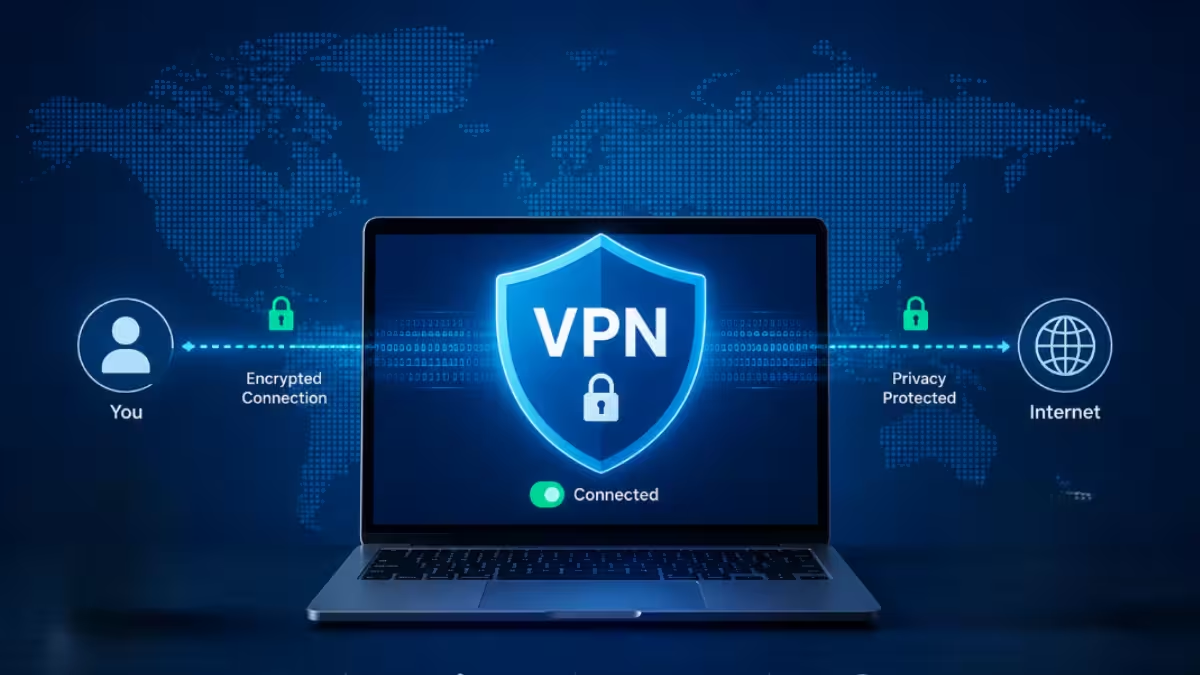
A VPN routes your internet traffic through a server in another location. The website you visit sees the server's IP address instead of yours, so it assumes you are browsing from that country.
That trick works well against restrictions based on location, such as streaming catalogs that differ between countries. Age bans do not work that way. Most of them rely on proof of age linked to the person, the account, or the device, and a new IP address does nothing to change any of those.
Can a VPN Beat Social Media Age Verification?
Age checks are tied to your account
Under the newer laws, platforms must confirm the age of their users before granting access. Once a platform flags an account as belonging to someone under the limit, the account stays flagged whether the user connects from Athens, Sydney, or a VPN server in Canada.
Greece goes a step further. Accounts created before the law takes effect get no exemption, so platforms must re-check existing users rather than only new sign-ups.
How Kids Wallet and ID checks work
Greece's government offers two state apps for age checks, Kids Wallet and Gov.gr Wallet. These apps confirm only whether a person sits above or below the age limit, using a digital token instead of sharing a birth date. Platforms may use other methods too, provided they meet EU standards for reliability and privacy.
Australia's platforms lean on tools such as ID checks, facial age estimation, and behavioral signals. A VPN masks none of these. A face scan still estimates the same age, and an ID still shows the same birth year.
Signals apps use beyond your IP address
Social apps collect a wide set of signals: the phone's region settings, the SIM card's country, app store region, language, contacts, and posting patterns. A user who suddenly appears in another country while every other signal points home stands out quickly. Platforms that face heavy fines have every reason to watch for that mismatch.
When a VPN Can Slip Past Age Bans (and Why It Rarely Lasts)
VPNs can matter at the edges. A teenager might create a brand-new account while connected to a server in a country without a ban and avoid an age prompt at sign-up. Smaller platforms with weaker checks may also slip through.
These gaps tend to close fast. Platforms that operate across the EU face the same Digital Services Act, so moving a connection from Greece to another EU country does not escape the regulator. And once the app detects signals that point back to the restricted country, it can demand verification at any time.
Officials expect the bigger loophole to come from parents, not VPNs. Greece's digital governance minister has openly admitted the system fails if a parent verifies a child's account with their own ID. In Australia, teens have also found workarounds, many of which rely on borrowed credentials rather than technology.
Is It Legal to Use a VPN to Get Around Age Bans?
VPNs themselves are legal in most countries
In Greece, Australia, the UK, the US, and nearly all of Europe, owning and using a VPN is perfectly legal. People use them every day for privacy, work access, and public Wi-Fi security. Only a handful of countries, such as China, Russia, and Iran, restrict or ban them.
The laws target platforms, not children
Social media age laws place the duty on companies. Greece's law sets no new fines for children or parents. Platforms that fail to comply face enforcement under the EU's Digital Services Act, which can include large penalties. Australia also aims its fines at platforms rather than families.
So a teenager who uses a VPN is unlikely to face legal punishment. That does not make the move risk-free.
Platform rules still apply
Every major social network sets a minimum age in its terms of service. Lying about your age or masking your location to avoid an age check breaks those terms. The platform can suspend or delete the account, along with its photos, messages, and followers, without warning.
Risks of Using a VPN to Avoid Age Verification
Free VPNs often sell your data
Many free VPN apps make money by logging user activity and selling it to advertisers or data brokers. A teenager who installs one to get around a ban may end up handing over far more personal data than any age check would ever collect.
Shady apps and malware
Searches for "free VPN for TikTok" or similar phrases surface plenty of low-quality apps. Some carry intrusive ads, tracking code, or outright malware. Young users rarely check who runs these services.
Pushing kids toward riskier platforms
Child safety groups in Greece warned that bans may drive children toward unregulated platforms and services. These spaces usually lack moderation, reporting tools, and the safety features mainstream apps have built over the years.
Account loss
When a platform detects a mismatch and asks for verification, an underage user cannot pass it. The account gets locked, and everything inside it disappears.
Will Adults Have to Verify Their Age Too?
Age bans affect grown-ups too. To keep children out, platforms often have to check everyone. Critics in Greece pointed out that every adult in the country may need to prove their age to keep using social media.
That has pushed some adults toward VPNs for privacy reasons, especially where ID checks feel intrusive. When the UK introduced age checks under its Online Safety Act, many adults hesitated to upload identity documents just to view legal content. A VPN will not exempt an adult from a platform's age check, but adults who want to limit tracking in general still find value in a reputable, paid, no-logs service.
Which Countries Ban Social Media for Kids?
More than 20 countries have passed some form of youth social media restrictions, and the list keeps growing. These are the ones that matter most for this debate.
| Country or Bloc | Minimum Age | Status |
|---|---|---|
| Australia | 16 | In force since December 10, 2025 |
| Greece | 15 | Passed October 2026, takes effect January 1, 2027 |
| France | 15 | Parliament passed it in July 2026, but the Constitutional Council struck it down in August |
| Denmark | Not finalized | Plans announced |
| Austria | Not finalized | Plans announced |
| European Union (EU Kids Act) | 13 | Proposed, with an outright ban only for children under 13 |
Do Social Media Age Bans Actually Work?
Bans will not stop every determined teenager. They do raise the effort required, and that alone changes behavior for many children, particularly younger ones. Supporters argue that the goal is a new default, much like age limits on alcohol, rather than a perfect seal.
Critics counter that mass age checks erode online anonymity and create stores of sensitive data that attackers can target. They favor approaches such as checks that run on the device, parental controls, and rules against addictive design features like endless feeds.
Expect the rules to keep shifting. Greece plans to adjust its law once the EU Kids Act passes, and that EU proposal sets its own outright ban only for children under 13.
Frequently Asked Questions
Can a VPN get a teenager around Greece's social media ban?
Rarely for long. The ban relies on account-level age verification, and existing accounts must pass checks too. A VPN changes your location, not your verified age.
Will kids or parents be fined if a child uses social media anyway?
Not in Greece or Australia. Both laws place penalties on platforms, not families.
Is it illegal to use a VPN in Greece or Australia?
No. VPN use is legal in both countries. Breaking a platform's age rules can still get the account banned.
Do messaging apps fall under Greece's ban?
No. Messaging apps remain available to under-15s. The law targets social networking services such as Facebook, Instagram, TikTok, X, and LinkedIn.
When does Greece's ban start?
January 1, 2027. The law treats January 1 as everyone's birthday for the calendar year, so children born in 2012 qualify from the start of 2027.
Are free VPNs safe for teenagers?
Many are not. Free services often log and sell browsing data, show aggressive ads, or bundle tracking code. If a family uses a VPN for privacy, a paid service with an audited no-logs policy is the safer choice.